
Hip Pain
Hip pain can turn every step into a challenge, affecting your ability to walk, sleep, and stay active. At Signature Physical Therapy, we specialize in identifying the mechanical source of hip discomfort. Our doctor-led approach focuses on restoring joint alignment, strengthening the gluteal complex, and helping you return to a life of fluid, pain-free movement.
Symptoms and Causes
Common Symptoms
Groin Pain: Sharp or aching pain located in the groin area, often worsening with hip rotation.
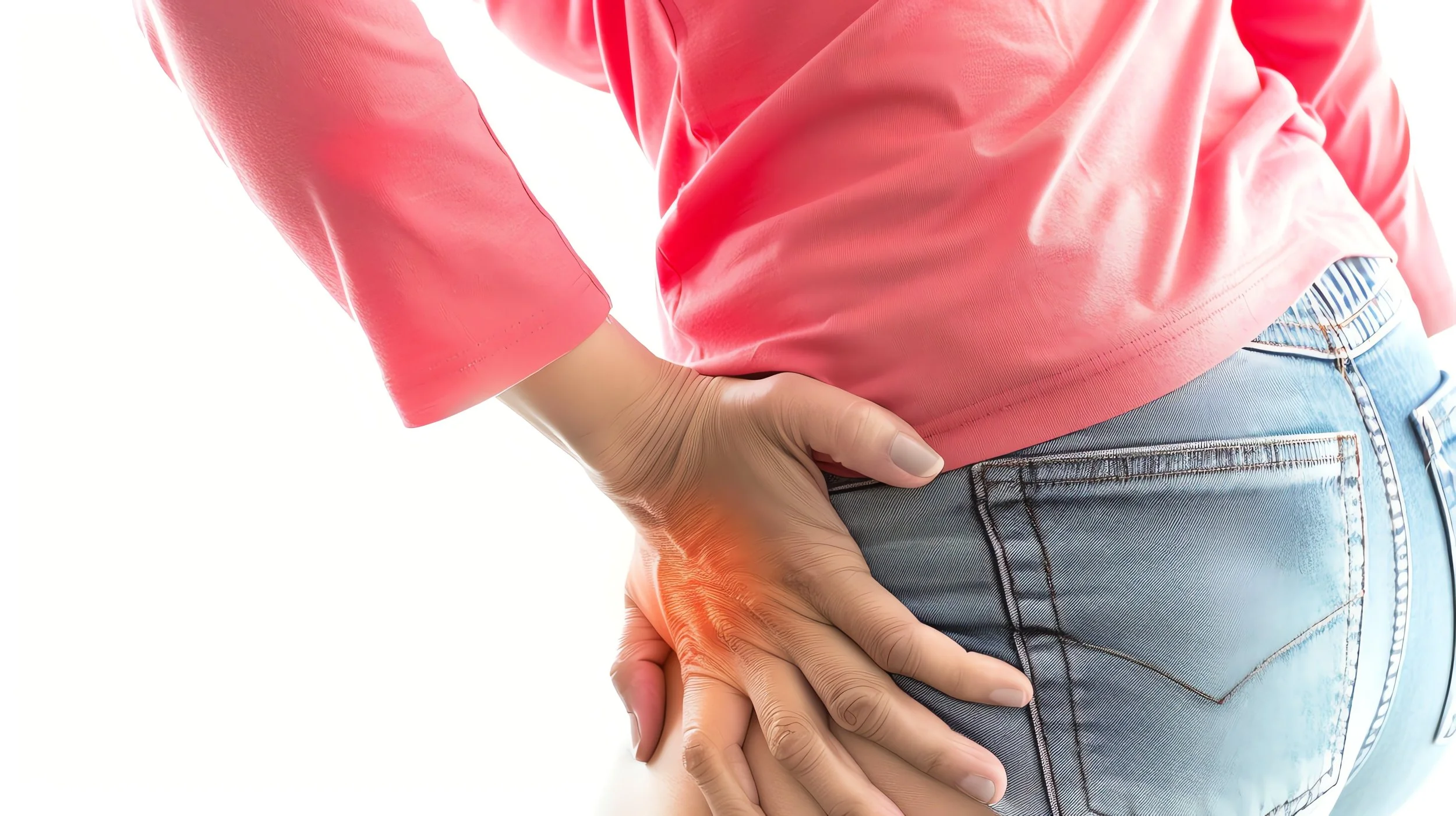
Lateral Hip Tenderness: Pain on the outside of the hip, making it difficult to sleep on that side.
Mechanical Clicking: Sensations of catching, locking, or snapping within the joint.
Reduced Mobility: Difficulty putting on socks/shoes or getting in and out of a car.
Referred Pain: Aching that radiates down to the knee or into the lower back.
Leading Causes
Hip Osteoarthritis: Wear and tear of the joint cartilage, leading to stiffness and bone-on-bone friction.
Hip Labral Tears: Damage to the ring of cartilage (labrum) that follows the outside rim of the hip joint socket.
Bursitis (Trochanteric): Inflammation of the fluid-filled sacs that cushion the outside of the hip bone.
Femoroacetabular Impingement (FAI): Abnormal bone growth on the hip joint that limits range of motion.
Gluteal Tendonopathy: Weakness or irritation of the tendons that support the hip and pelvis.
How We Treat
Our Specialized Hip Recovery Protocol
The hip is the bridge between your spine and your legs. We assess your entire "kinetic chain" to ensure your hips are supported by strong core and leg mechanics.
Joint Mechanics & Alignment Analysis: We evaluate your pelvic tilt and leg-length symmetry to identify "hidden" stresses on the hip joint.
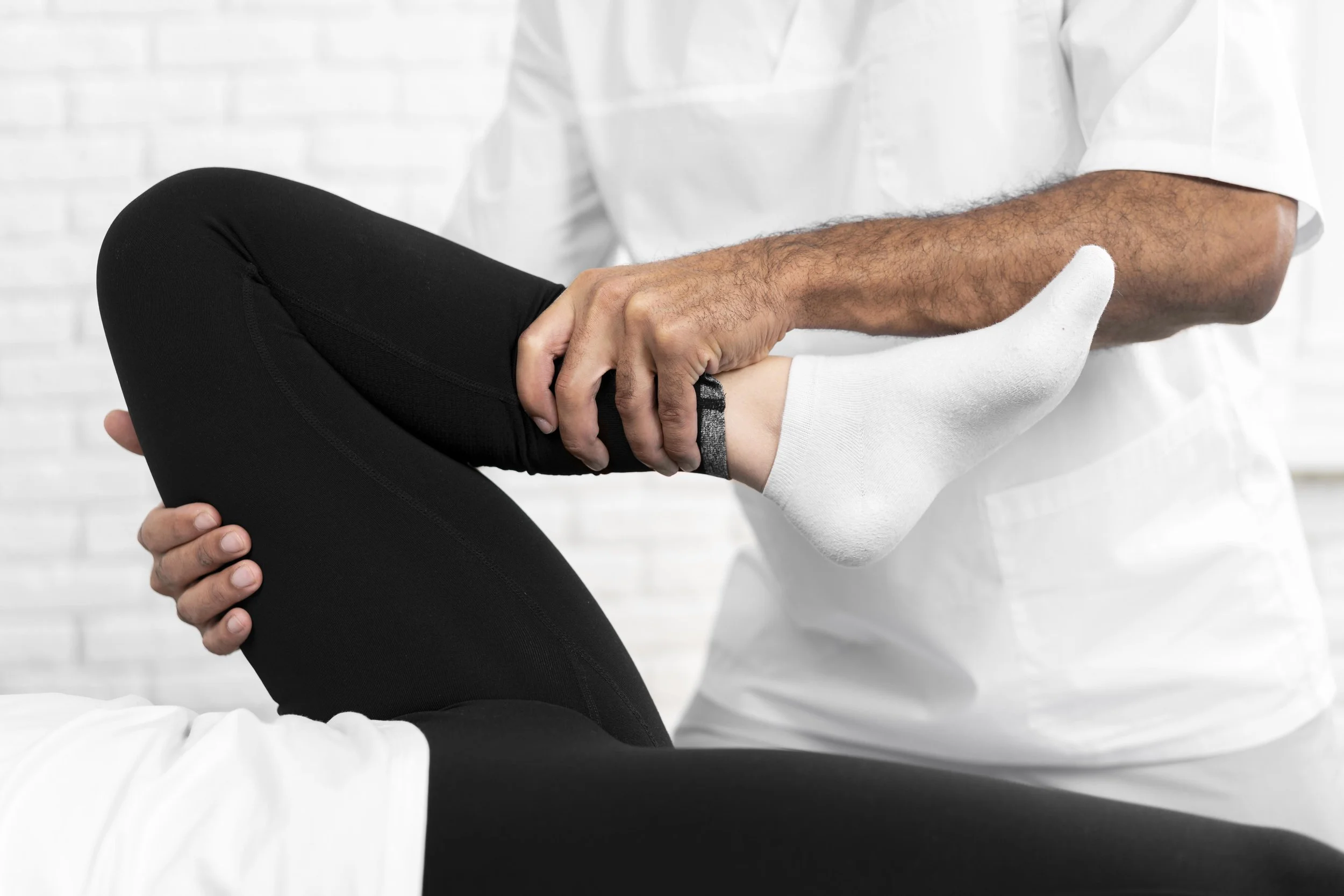
Manual Joint Mobilization: Specialized hands-on techniques to improve the "glide" of the hip in its socket and reduce deep-seated stiffness.
Gluteal & Core Integration: We focus on the "Powerhouse" muscles—building strength in the glutes and deep core to decompress the hip joint.
Neuromuscular Re-education: Training your body to move with better alignment during high-impact activities like running or climbing stairs.
Load Management & Modification: Providing you with specific strategies to stay active while the joint tissues heal, preventing further degeneration.
Frequently Asked Questions
-
Yes, conservative management is incredibly effective for labral tears. While physical therapy cannot physically reattach a torn labrum, our NYC hip specialists focus on strengthening the deep hip rotators, glutes, and core muscles. This builds a dynamic muscular support system around the joint, stabilizing the femur head and dramatically reducing pain and clicking.
-
Hip bursitis (trochanteric bursitis) is usually a symptom of poor biomechanics or tight lateral leg muscles placing excessive friction on the bursa sac. Our 1-on-1, doctor-led sessions focus on targeted manual therapy to calm localized inflammation, combined with progressive hip-striding and glute-strengthening exercises to permanently fix the underlying movement patterns causing the friction.