
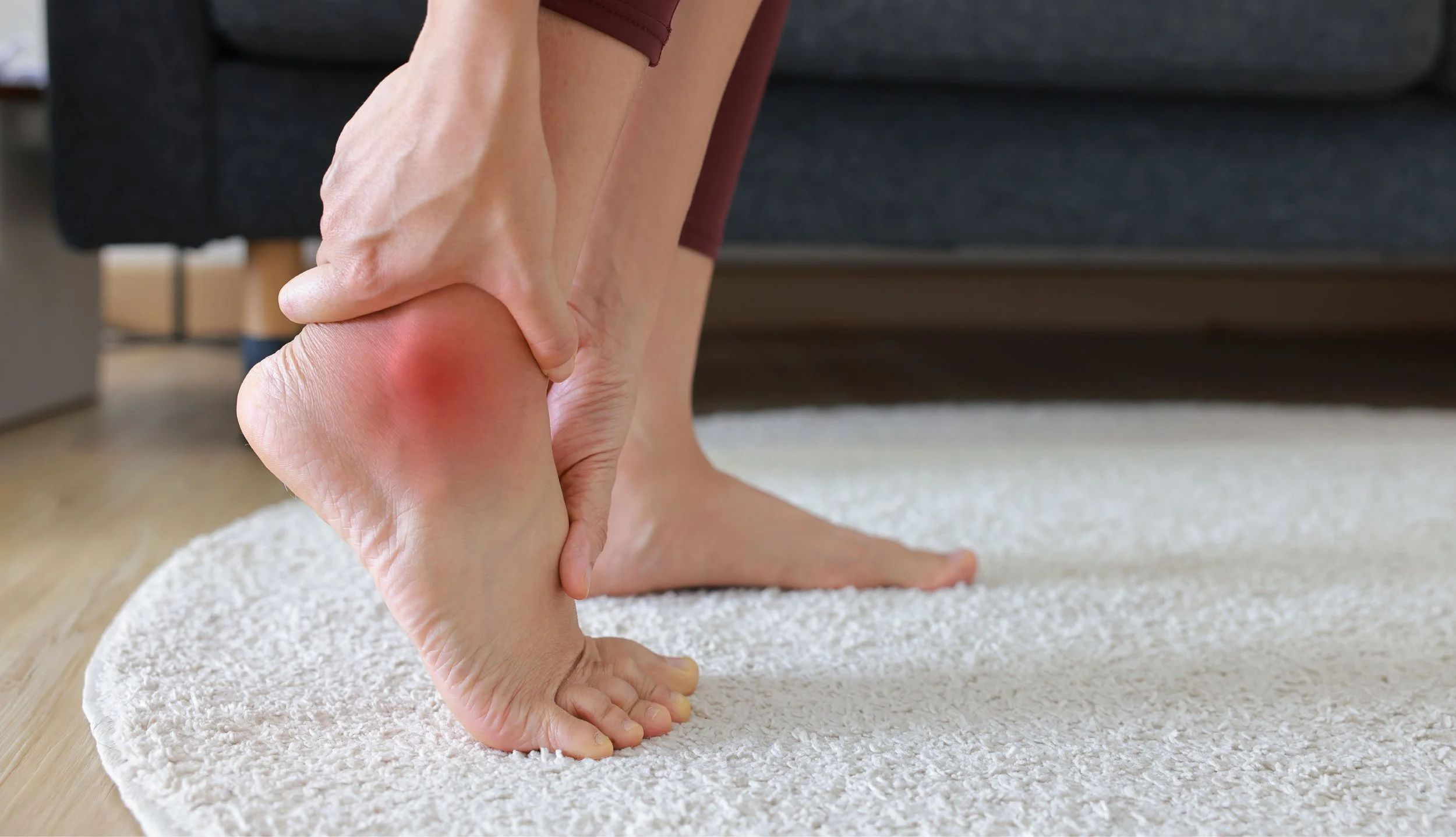
Plantar Fasciitis
That first step out of bed shouldn't be painful. At Signature Physical Therapy, we specialize in the mechanical treatment of foot and ankle conditions. Our doctor-led approach goes beyond just treating the symptoms; we address the biomechanical root causes—such as calf tightness, arch instability, and gait imbalances—to provide lasting relief from plantar fasciitis.
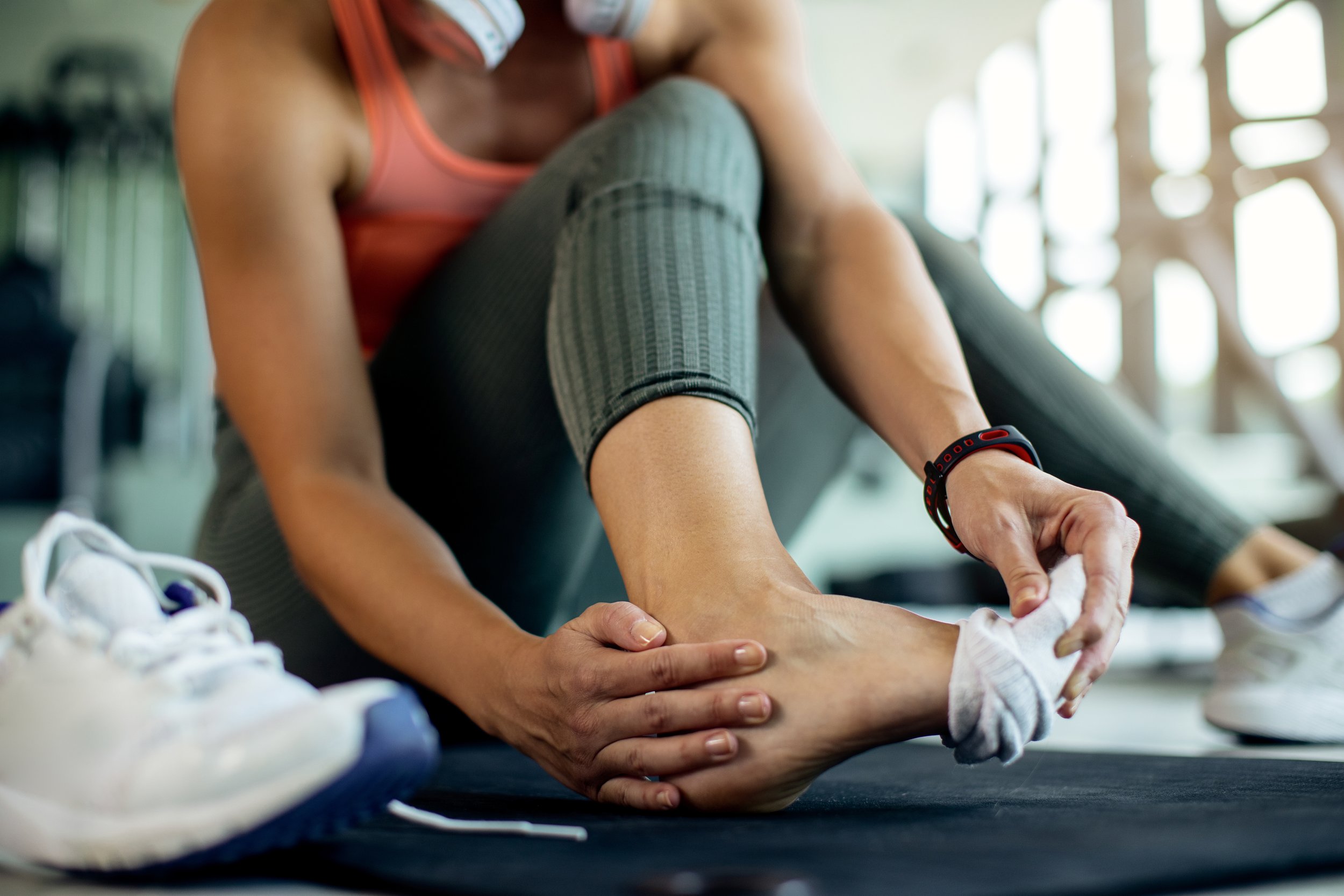
Symptoms and Causes
Common Symptoms
First-Step Pain: Sharp, stabbing pain in the bottom of the heel during the first few steps in the morning.
Post-Rest Stiffness: Pain that returns after standing up following a long period of sitting.
Exercise Flare-ups: Increased discomfort after (not necessarily during) prolonged weight-bearing or athletic activity.
Tenderness to Touch: Sensitivity along the bottom of the foot and the inner edge of the heel bone.
Limited Upward Flexion: Difficulty pulling the toes and foot upward toward the shin.
Leading Causes
Repetitive Impact: High-volume walking, running, or jumping on hard surfaces.
Improper Footwear: Using shoes with inadequate arch support or worn-out cushioning.
Tight Posterior Chain: Chronic tightness in the calf muscles (gastroc/soleus) that pulls on the plantar fascia.
Foot Biomechanics: Having very high arches or flat feet (overpronation) that stresses the fascia.
Sudden Weight or Activity Increase: Rapid changes in physical demand that outpace the tissue's ability to recover.
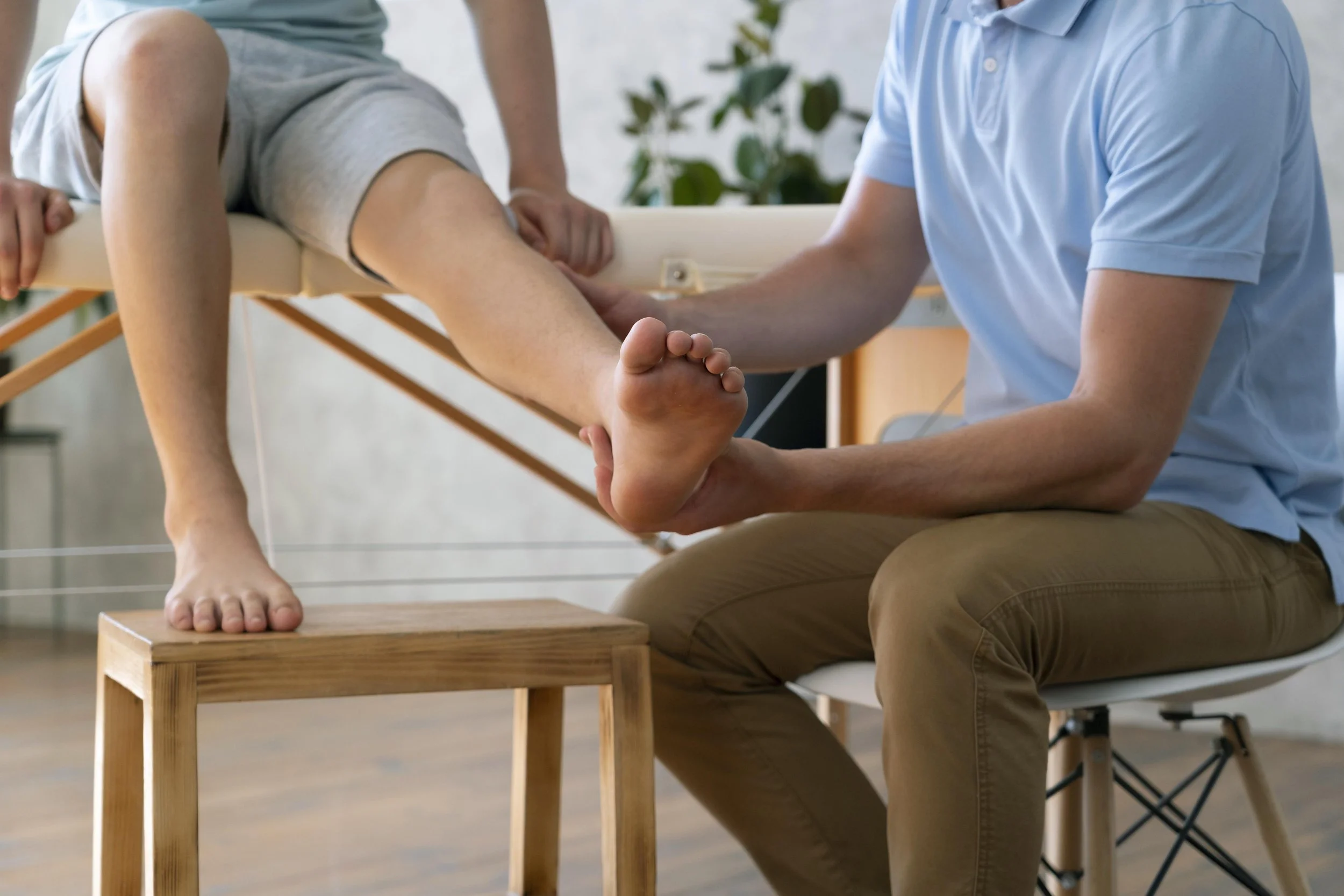
How We Treat
Our Integrated Foot & Ankle Recovery Protocol
We treat the foot as a dynamic shock absorber. Our goal is to restore its natural function so you can move without the "stabbing" sensation.
Gait & Footwear Analysis: We examine how you walk and the shoes you wear to identify mechanical triggers contributing to your heel pain.
Advanced Manual Therapy: Utilizing specialized soft tissue mobilization and "scraping" techniques to reduce tension and promote healing in the fascia.
Calf & Posterior Chain Mobility: Targeted stretching and joint mobilization to take the mechanical "tug-of-war" off your heel.
Intrinsic Foot Strengthening: Exercises to build the small muscles of the arch, providing better internal support for your foot.
Load Management & Taping: Utilizing specialized taping techniques (like Low-Dye taping) to provide immediate relief while we build your long-term strength.
Frequently Asked Questions
-
When you sleep, your foot naturally rests in a shortened, downward position, allowing the plantar fascia ligament to contract and tighten overnight. Taking your first steps in the morning suddenly forces the ligament to stretch under your body weight, causing micro-tears and sharp, stabbing pain. Our Washington Heights specialists focus on restoring calf mobility and tissue elasticity to stop this cycle.
-
Every foot is different, which is why our 1-on-1, doctor-led evaluations assess your unique arch mechanics and walking gait. While custom orthotics or night splints can offer temporary structural offloading for severe heel pain, true long-term relief requires progressive tissue loading, manual therapy to release deep calf tightness, and foot intrinsic muscle strengthening.