

Shoulder Pain
Whether it’s pain when reaching overhead or a sharp ache that keeps you awake at night, shoulder dysfunction can severely impact your quality of life. At Signature Physical Therapy, we specialize in advanced orthopedic care for complex shoulder conditions. Our doctor-led approach focuses on restoring joint mechanics and strengthening the rotator cuff to help you return to your daily routine without pain.
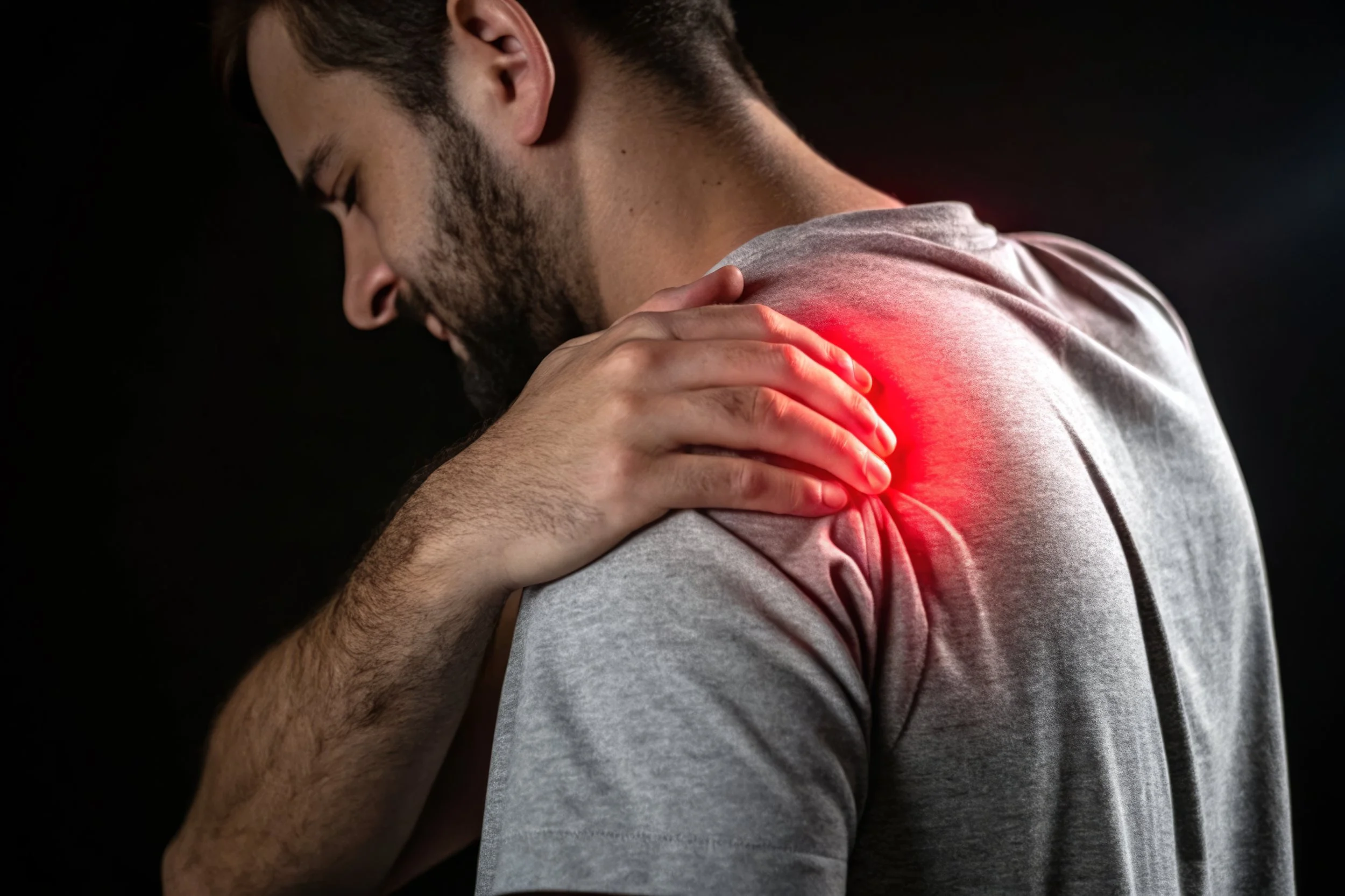
Symptoms and Causes
Common Symptoms
Overhead Pain: Sharp pain when reaching up, brushing your hair, or getting dressed.
Night Pain: A deep, throbbing ache that makes it difficult to sleep on the affected side.
Limited Mobility: Feeling like your shoulder is "stuck" or "frozen" (reduced range of motion).
Weakness: Difficulty lifting objects or a feeling of heaviness in the arm.
Popping or Grinding: Audible or physical sensations of clicking during arm circles.
Leading Causes
Rotator Cuff Tears: Fraying or tearing of the tendons that stabilize the shoulder joint.
Shoulder Impingement: Compression of the tendons or bursa against the acromion bone.
Adhesive Capsulitis (Frozen Shoulder): Extreme stiffness caused by the thickening of the joint capsule.
Bursitis: Inflammation of the fluid-filled sacs that cushion the shoulder joint.
Labral Tears: Damage to the cartilage "rim" that keeps the arm bone seated in the socket.
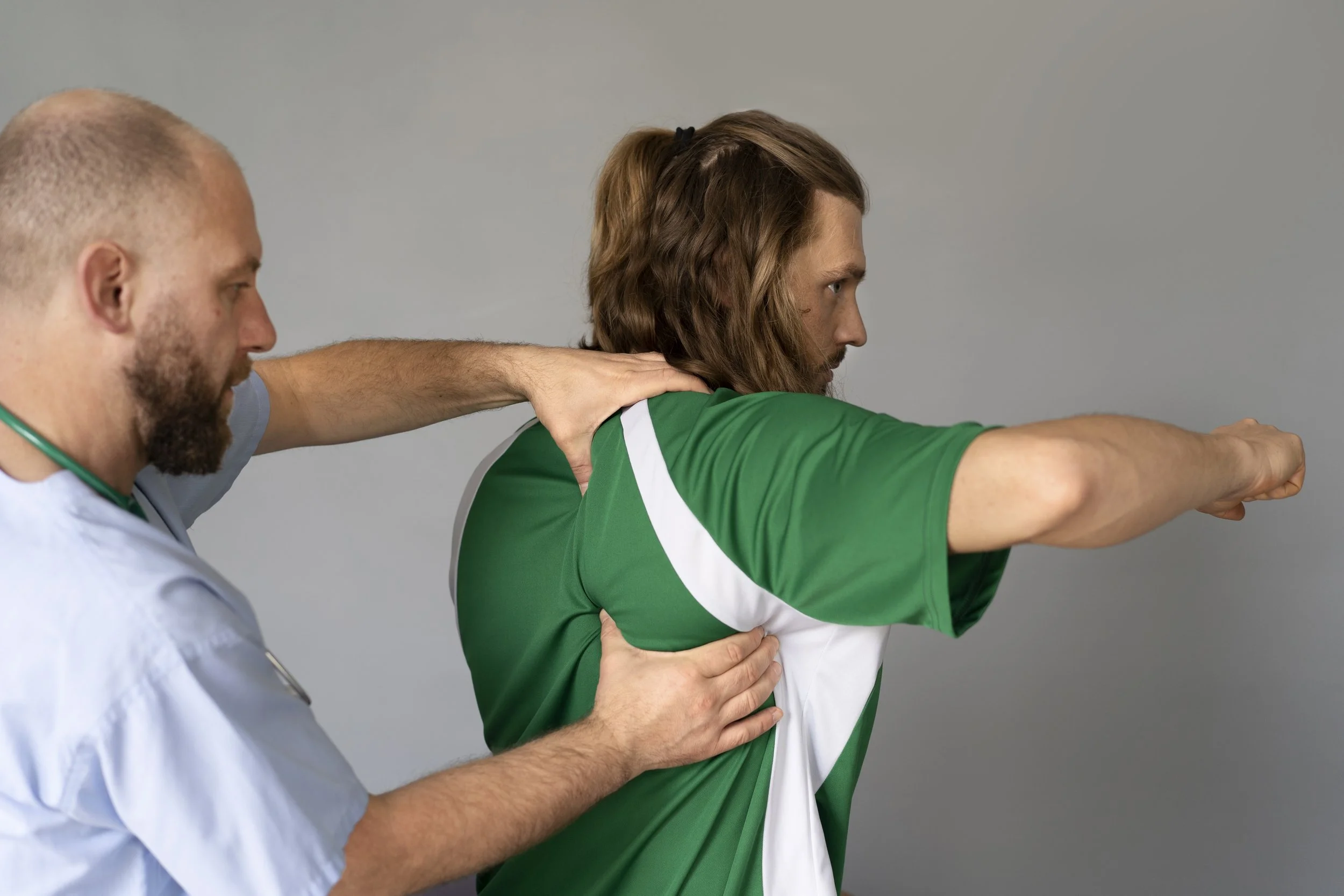
How We Treat
Our Integrated Shoulder Recovery Approach
We look beyond the shoulder to assess the neck and mid-back (thoracic spine), as these areas are often the hidden culprits behind shoulder dysfunction.
Detailed Scapular Analysis: We evaluate how your shoulder blade moves, as it provides the essential foundation for all arm movements.
Manual Joint Mobilization: Hands-on techniques to "loosen" a stiff joint capsule and improve fluid movement within the joint.
Rotator Cuff Strengthening: Targeted, low-impact exercises designed to build the deep stability needed for pain-free motion.
Postural Correction: Addressing "rounded shoulders" to open up the joint space and reduce impingement.
Sport & Work Specific Re-training: Whether you’re a pitcher, a swimmer, or an office worker, we tailor your final phase of rehab to your specific demands.
Frequently Asked Questions
-
Shoulder impingement occurs when the tendons of the rotator cuff are intermittently pinched or irritated under the acromion bone during overhead movements. A rotator cuff tear involves an actual structural rip or fraying of those tendon fibers. Our Washington Heights clinical team uses specific orthopedic tests to differentiate between the two and guide your targeted rehabilitation plan.
-
Frozen shoulder involves severe thickening and tightening of the connective tissue surrounding the glenohumeral joint. Because this condition progresses through distinct "freezing, frozen, and thawing" stages, our specialized shoulder therapists utilize gentle manual joint mobilization, precise stretching, and progressive home exercises tailored to your exact stage to safely restore motion without spiking your pain.