

Temporomandibular Disorder (TMD)
Jaw pain, clicking, and tension shouldn't dictate your day. At Signature Physical Therapy, we offer a specialized clinical approach to Temporomandibular Disorder (TMD). By addressing the intricate relationship between the jaw, cervical spine, and postural alignment, our doctor-led treatments provide lasting relief from chronic facial pain and dysfunction.
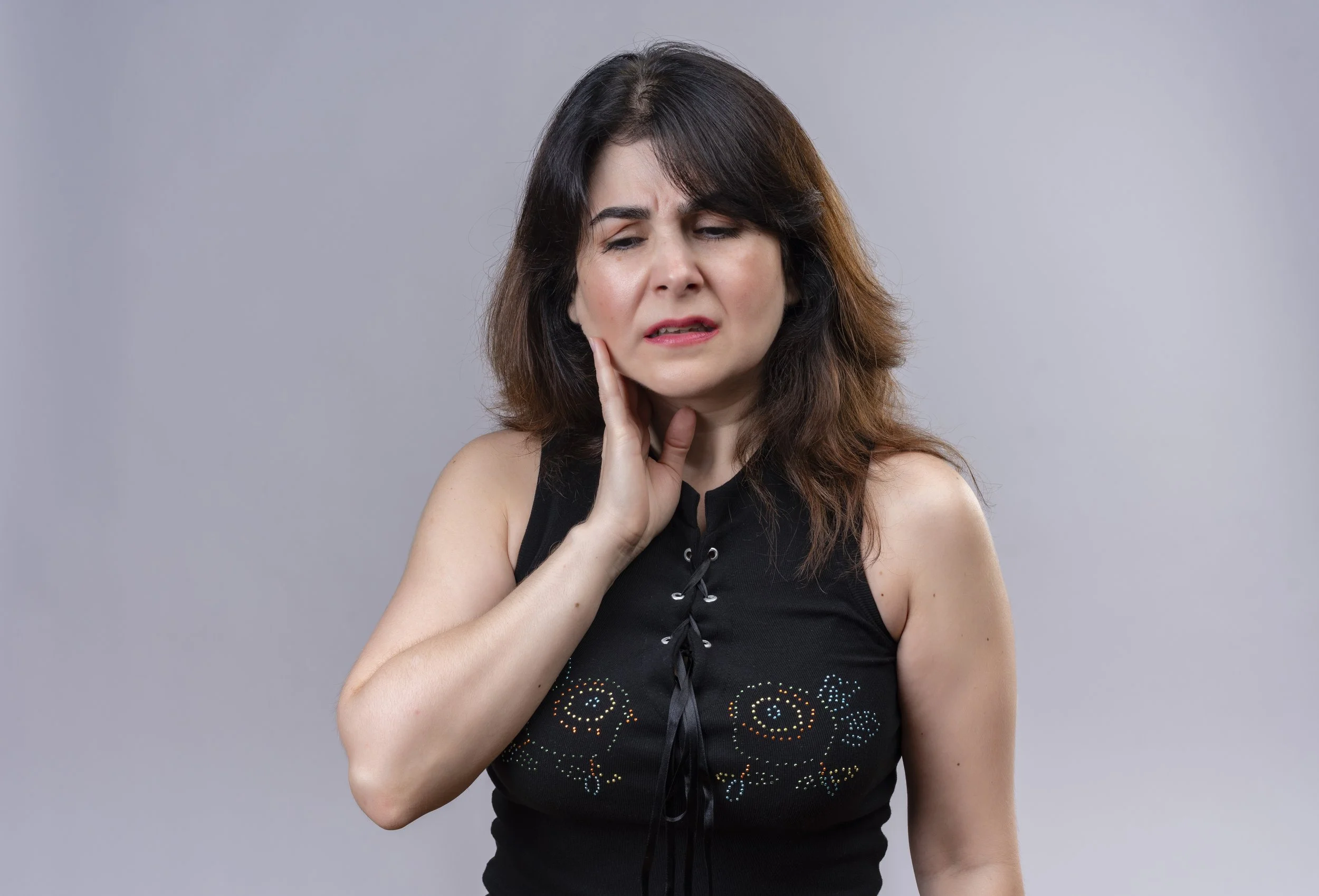
Symptoms and Causes
Common Symptoms
Jaw Clicking or Popping: Audible or felt sensations when opening or closing the mouth.
Lockjaw: Difficulty fully opening the mouth or a jaw that gets "stuck" in certain positions.
Facial & Ear Pain: Aching around the ear that often mimics an ear infection.
Tension Headaches: Persistent pain in the temples or base of the skull.
Bruxism Effects: Soreness in the morning due to overnight teeth grinding or clenching.
Leading Causes
Disc Displacement: The small shock-absorbing disc in the jaw joint moving out of alignment.
Cervical Spine Dysfunction: Issues in the upper neck that refer pain and tension to the jaw.
Muscle Hypertonicity: Overactive chewing muscles (masseters) due to stress or habit.
Arthritic Changes: Wear and tear within the temporomandibular joint itself.
Postural Imbalances: "Forward head posture" that places undue mechanical stress on the jaw structures.
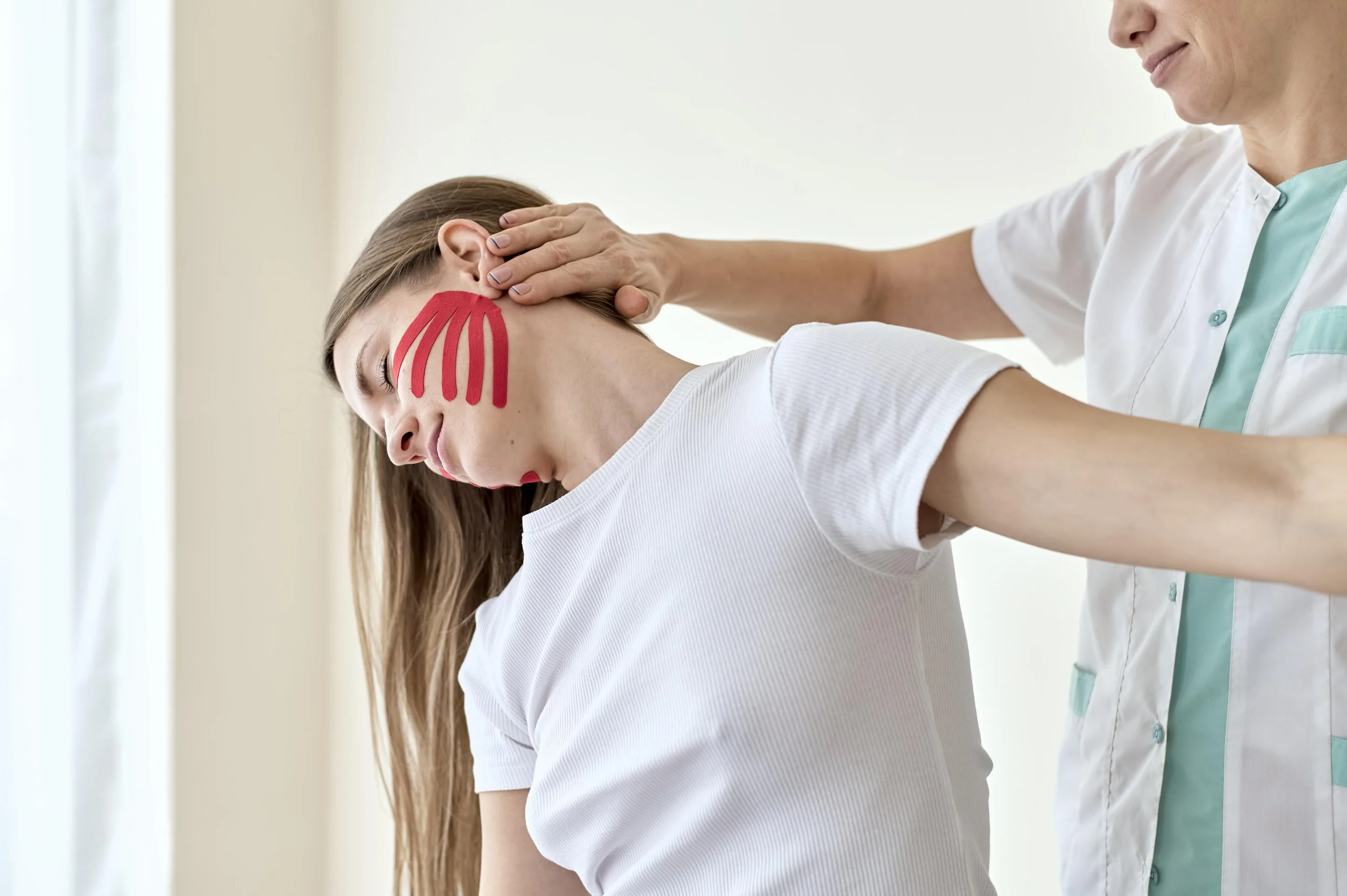
How We Treat
Our Comprehensive TMD Recovery Protocol
TMJ treatment at Signature PT is highly specialized. We use a "top-down" approach to ensure the jaw and neck are working in perfect harmony.
Intraoral & Extraoral Manual Therapy: Specialized hands-on techniques to release trigger points in the chewing muscles and improve joint mobility.
Cervical Spine Integration: We treat the neck alongside the jaw to ensure the nerves and muscles supporting the head are balanced.
Postural Re-education: Correcting the "tech neck" habits that often contribute to jaw misalignment and tension.
Neuromuscular Coordination: Exercises to "re-train" the jaw to open and close in a straight, symmetrical path.
Stress & Habit Management: Providing strategies to reduce clenching and ergonomic tips for work and sleep to prevent symptom recurrence.
Frequently Asked Questions
-
TMJ rehabilitation is highly specialized. Our doctor-led sessions in NYC combine gentle intraoral and extraoral manual therapy to release hypertonic chewing muscles (like the masseter and temporalis), gentle joint mobilization to improve jaw tracking, and targeted cervical spine exercises, as neck posture is frequently linked to jaw dysfunction.
-
Many of our Washington Heights patients experience a noticeable reduction in jaw muscle tension and improved opening range within their first 2 to 3 sessions. However, achieving lasting relief and retraining the muscles and joints to prevent future clicking or locking typically takes a comprehensive 4 to 6-week treatment plan.